Sales: +91 9099 928 652 [email protected] Mon – Sat : 10:00 AM – 07:00 PM (IST)
0%

Choosing a Foley Balloon Catheter in 2026 requires more than comparing prices or package labels. It demands clinical judgment, current evidence, and careful attention to each patient’s needs. A Foley Balloon Catheter is commonly used for urinary drainage, but its size, material, tip design, balloon capacity, and drainage performance can affect safety and comfort. The intended purpose must remain clear.

Fit matters.

At the bedside, clinicians should consider the patient’s age, anatomy, mobility, urine characteristics, expected dwell time, and allergy history. Smaller French sizes may reduce discomfort, but they must still provide reliable drainage. Silicone may suit some long-term users, while latex products may require caution for sensitive patients. Balloon volume should follow the manufacturer’s instructions and the relevant clinical protocol, not personal habit. A larger balloon is not automatically better.

Reliable selection also depends on product quality. Review the instructions for use, sterility information, balloon testing data, connector compatibility, and regulatory status in the target market. Examine whether the catheter remains flexible after insertion and whether its drainage eyes are positioned appropriately. These details can seem minor beside a busy clinical schedule. They are not minor.

Marketing is not evidence.

This guide compares practical selection factors for 2026, including patient comfort, infection prevention, insertion technique, material choice, and supply reliability. It also recognizes an uncomfortable truth: no checklist replaces trained assessment. Recommendations may require adjustment when evidence is limited, product availability changes, or a patient responds unexpectedly. When uncertainty remains, consultation with a qualified healthcare professional and adherence to local policy are essential.
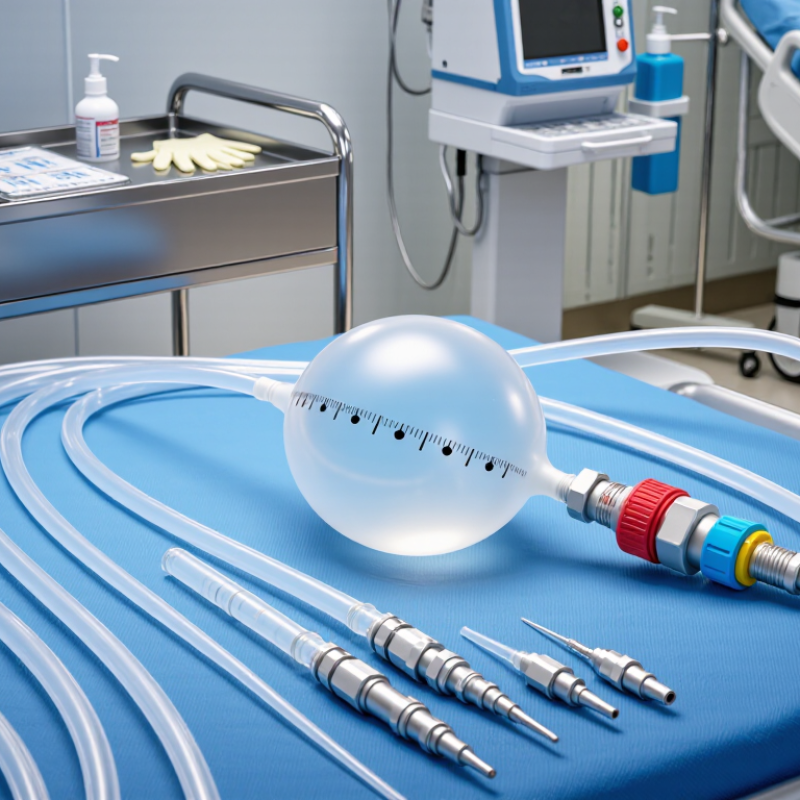
How to Choose a Foley Balloon Catheter in 2026?

Understanding Foley Balloon Catheter Types and Clinical Uses

Choosing a Foley balloon catheter in 2026 starts with the clinical indication, not the packaging.

AHRQ’s CAUTI Toolkit estimates that 15–25% of hospitalized patients receive urinary catheters. The CDC states that 70–80% of hospital-acquired UTIs are catheter-associated. These figures make daily necessity important.

Use a two-way catheter for routine drainage. Select a three-way design when continuous bladder irrigation is prescribed. Pediatric sizes, curved-tip options, and smaller French sizes may suit different anatomy. The smallest effective bore is usually preferable.

Material affects tolerance and dwell time.

A silicone catheter offers a larger internal lumen and may suit longer-term use. Latex-based catheters may require protective coating. Latex sensitivity must be checked. Balloon volumes commonly range from 5 to 30 mL. Inflation must follow the printed instructions. More fluid is not safer. Never choose balloon size to compensate for poor drainage. Confirm urine flow, securement, and unobstructed tubing after insertion.

Clinical context still changes the answer.

Accurate output monitoring may justify short-term use in critical care. Postoperative use should end when the indication disappears. CDC guidance notes that bacteriuria risk rises approximately 3–7% with each catheter day. That figure is useful, but not a personal forecast. Anatomy, trauma risk, and local protocols matter. A perfect chart cannot replace reassessment at the bedside.

Matching Catheter Size, Length, Material, and Balloon Capacity

How to Choose a Foley Balloon Catheter in 2026?

Choosing a Foley balloon catheter requires more than matching a standard size. The patient’s age, anatomy, drainage needs, and clinical condition all matter. For routine adult drainage, 14–16 Fr is often considered, but the smallest effective size may reduce discomfort and urethral irritation. A narrow catheter is not always suitable when urine contains clots or sediment. Clinical judgment remains essential.

Length also deserves attention. Standard adult lengths may work for many patients, while shorter options can suit some anatomies and care settings. An inadequate length may cause poor drainage or accidental displacement. Fit matters.

Balloon capacity should match the intended use, commonly 5–10 mL for routine applications. A larger balloon does not automatically provide better security. It may increase bladder pressure, discomfort, or tissue trauma.

Material can affect comfort and safety. Silicone may be useful for patients needing longer-term catheterization or those sensitive to certain additives. Latex-based materials may require extra caution when allergy is possible. Check the package instructions and inflate the balloon only with the recommended sterile fluid and volume. Never rely on habit alone. A clinician should confirm the catheter, insertion method, and ongoing care plan. Real-world conditions can differ from textbook examples, and a choice that looks ideal may still need adjustment after observing drainage, leakage, pain, or bladder spasms. Small errors hurt.

Assessing Patient Anatomy, Age, Condition, and Procedure Requirements

How to Choose a Foley Balloon Catheter in 2026?

Choosing a Foley balloon catheter begins with the patient, not the equipment shelf. Review urethral anatomy, previous catheterization, surgery, scarring, and known obstruction. In adults, the smallest effective French size often reduces discomfort and urethral irritation. Balloon capacity must match the prescribed device and clinical indication. Larger is not automatically safer.

Age changes the assessment. Infants and children need age-appropriate sizes, careful length selection, and weight-based clinical judgment. Older adults may have fragile tissue, prostate enlargement, reduced sensation, or limited mobility. A patient with hematuria, infection, spinal injury, or recent urologic surgery may require a different approach. Ask what caused the retention. The answer matters.

Procedure requirements also shape the choice. Short-term drainage, accurate urine measurement, bladder irrigation, and postoperative care may involve different catheter features. Confirm material compatibility, drainage eye design, balloon labeling, sterility, and securement needs. Never inflate the balloon before confirming urine flow and catheter position. It sounds basic. Errors still happen.

Clinical guidelines and local protocols should guide selection, especially when insertion is difficult. Resistance, severe pain, bleeding, or unusual anatomy calls for stopping and seeking trained support. A chart can suggest a size, but it cannot examine the patient. That limitation deserves respect.

How to Choose a Foley Balloon Catheter in 2026?

Typical catheter-size ranges by patient anatomy, age, and procedure requirement

Smaller catheters are generally preferred when clinically appropriate to reduce urethral trauma. Adult female patients commonly use 12–14 Fr, adult male patients 14–16 Fr, and pediatric patients smaller sizes selected by age and anatomy. Larger 20–24 Fr three-way catheters may be used for clot evacuation or continuous bladder irrigation when clinically indicated. Balloon volume must follow the catheter labeling and clinical protocol; do not overinflate.

These are typical selection ranges, not individualized medical advice. Final selection should be made by a qualified clinician according to patient assessment and procedure requirements.

Comparing Drainage Features, Comfort, Infection Risk, and Compatibility

How to Choose a Foley Balloon Catheter in 2026?

When selecting a Foley catheter, drainage performance deserves careful attention. A rounded eyelet and unobstructed lumen can support steady urine flow. Check for kinking, sediment buildup, and dependent loops in the tubing. The smallest suitable French size usually reduces urethral irritation. Larger sizes are not automatically better.

Comfort also depends on material, balloon design, lubrication, and securement. Silicone may suit some patients with material sensitivities, while others need individualized assessment. Confirm the prescribed balloon volume before inflation. Never inflate it with an unapproved fluid. Gentle positioning matters. Traction can cause pain and bladder spasms. Small details matter.

Infection risk is influenced more by handling than by appearance. A sterile insertion technique, closed drainage system, and unobstructed flow remain essential. Keep the collection bag below bladder level, without touching the floor. Review the catheter daily and remove it when no longer clinically necessary. Compatibility requires checking the catheter, drainage bag, connector, and securement device together. An adapter may seem convenient, but it can introduce leakage or disconnection points. Clinical guidelines help, yet they cannot replace patient assessment. A checklist can miss an allergy, urethral injury risk, or unexpected anatomy. That is where careful judgment matters.

Reviewing 2026 Safety Standards, Innovations, and Selection Practices

How to Choose a Foley Balloon Catheter in 2026?

Reviewing 2026 Safety Standards, Innovations, and Selection Practices

Choosing a Foley catheter in 2026 requires more than checking French size. Safety starts with indication, dwell time, drainage design, and staff competence. The WHO Global report on infection prevention and control estimates that 7 in 100 acute-care patients in high-income countries acquire a healthcare-associated infection. That figure makes material choice and aseptic insertion practical risk controls, not purchasing details.

Current selection should align with ISO 20696:2018 and applicable national requirements. Look for clear sizing, reliable retention, smooth drainage, secure sampling access, and biocompatibility evidence. The CDC’s NHSN Patient Safety Component Manual defines CAUTI surveillance through standardized device-day data. Hospitals should compare CAUTI rates, catheter-days, blockage events, and unplanned replacements. Numbers reveal problems.

Hydrogel-coated surfaces may improve comfort, but coating claims need independent clinical evidence. Antimicrobial options require restraint; benefits depend on patient risk, resistance patterns, and protocol fit. A larger balloon is not automatically safer. Overinflation can increase discomfort and trauma. I would test the valve and drainage pathway before use. Small failures matter. A missed daily review can turn a temporary device into needless exposure.

How to Choose a Foley Balloon Catheter in 2026? - Reviewing 2026 Safety Standards, Innovations, and Selection Practices

Practical, brand-neutral criteria for selecting and managing Foley balloon catheters in 2026. Always verify the current product instructions for use (IFU), local policy, and applicable regulations.
Selection Dimension Common Options or Data Recommended 2026 Selection Practice Safety Notes
Clinical indication Acute urinary retention, accurate hourly urine measurement in selected critically ill patients, perioperative use, bladder irrigation, or comfort-focused care when clinically justified. Use only for an appropriate indication, document the indication, and remove the catheter as soon as it is no longer needed. Do not use an indwelling catheter solely for staff convenience or as a substitute for incontinence care.
Catheter size French (Fr/Charrière) sizing: 1 Fr equals approximately 0.33 mm of external diameter. Common adult drainage sizes are 14–16 Fr; larger sizes may be required for clots or debris. Choose the smallest bore that provides adequate drainage. Select larger sizes only when clinically necessary, such as clot evacuation or irrigation. Larger diameters can increase urethral trauma, discomfort, and inflammation. Pediatric sizing must be based on age, anatomy, and clinical protocol.
Balloon volume Typical adult retention balloons are commonly labeled 5–10 mL. Smaller pediatric balloons may be labeled approximately 3–5 mL. Larger 30 mL balloons are reserved for specific postoperative or hemostatic indications. Use the lowest balloon volume specified for the intended indication and patient population; never select volume by habit alone. Do not overinflate. A large balloon in the wrong position may cause pain, bladder neck injury, leakage, or obstruction. Confirm the labeled volume in the IFU.
Balloon inflation medium Sterile water is commonly specified for Foley balloon inflation. Some products may specify another medium. Use only the inflation medium and volume stated in the product IFU and local policy. Do not use air unless specifically authorized. Avoid substituting solutions that may promote crystallization or impair balloon deflation.
Catheter material Latex, silicone-coated latex, hydrogel-coated latex, and 100% silicone constructions are commonly encountered. For latex allergy or repeated and longer-term use, select a latex-free option, commonly 100% silicone, when clinically suitable. Check allergy history and labeling. Material choice does not eliminate the need for aseptic insertion and closed-system care.
Lumen configuration Two-way: drainage plus balloon inflation. Three-way: drainage, balloon inflation, and irrigation. Use a two-way catheter for routine drainage. Choose a three-way model only when continuous or intermittent bladder irrigation is clinically indicated. Confirm that irrigation tubing, drainage tubing, and ports are correctly connected to reduce misconnections and contamination.
Tip and drainage eyelets Standard rounded tips are used for routine catheterization; alternative tips may be selected for specific anatomical or urological situations. Use a standard atraumatic tip when appropriate. Specialized tips should be selected only by trained clinicians for a documented indication. Never force insertion. Stop and seek appropriate clinical support when resistance, bleeding, or suspected urethral injury occurs.
Coatings and antimicrobial features Hydrophilic, hydrogel, silicone, and antimicrobial or antiseptic-impregnated surfaces may be available depending on jurisdiction and indication. Treat antimicrobial or antiseptic-impregnated catheters as a conditional intervention, not a replacement for appropriate indications, aseptic technique, closed drainage, and early removal. Consider them only after a comprehensive catheter-associated urinary tract infection (CAUTI) prevention program is implemented and infection rates remain problematic, consistent with local guidance.
Sterility and packaging Single-use sterile products should have intact packaging, clear expiration information, lot identification, and validated sterilization labeling. Inspect packaging before use and maintain traceability for high-risk procedures and adverse-event investigations. Do not use products with damaged packaging, missing labeling, expired shelf life, or uncertain sterility.
Standards and regulatory verification Relevant checks may include applicable medical-device regulations, ISO 20696 for sterile urethral catheters, ISO 10993 biocompatibility evaluation, and validated sterilization requirements such as ISO 11135 or ISO 11137 where applicable. Verify current market authorization, technical documentation, biocompatibility evidence, sterilization method, and post-market safety information for the intended country. Standards and regulatory requirements vary by jurisdiction and product classification. Use the current legally applicable edition and local procurement requirements.
Drainage-system compatibility Closed drainage systems may include needleless sampling ports, anti-reflux features, securement points, and graduated collection bags. Select compatible components that maintain a closed, unobstructed system and permit sampling without unnecessary disconnection. Keep the collection bag below bladder level, prevent dependent loops, and avoid contact between the outlet and nonsterile surfaces.
Securement and monitoring Appropriate stabilization devices, unobstructed tubing, routine perineal hygiene, and documented daily necessity review. Secure the catheter without tension, assess drainage and comfort, and record the indication and removal plan. Routine antiseptic meatal cleaning is not required; standard hygiene is generally sufficient unless local policy or a specific clinical condition indicates otherwise.
Innovation and digital traceability Potential developments include improved low-friction surfaces, redesigned drainage eyes, antimicrobial materials, electronic inventory tracking, and digital documentation of insertion and removal. Adopt innovations only when supported by safety evidence, usability evaluation, compatibility testing, staff training, and a measurable clinical benefit. A new feature should not be treated as clinically superior without independent evidence and appropriate post-market surveillance.
Core 2026 decision rule: Choose the smallest suitable catheter, use the lowest appropriate balloon volume, maintain a closed drainage system, follow the current IFU, review necessity every day, and remove the catheter promptly when the indication ends.

FAQS

What Foley catheter size is commonly used for routine adult drainage?

A 14–16 Fr catheter often suits routine adult drainage. Choose the smallest effective size. A narrow catheter may struggle with clots or sediment.

Why does catheter length matter?

Standard adult lengths suit many patients. Shorter options may fit certain anatomies and care settings better. An inadequate length can cause poor drainage or accidental displacement.

How should balloon capacity be selected?

Routine applications commonly use a 5–10 mL balloon. A larger balloon does not automatically improve security. It may increase pressure, discomfort, or tissue trauma.

Which catheter material may suit longer-term use?

Silicone may help patients needing longer catheterization. It can also suit some people sensitive to specific additives. Material choice still requires clinical review.

What precautions apply when latex sensitivity is possible?

Latex-based materials require extra caution when allergy is suspected. Check the package information before insertion. Do not guess.

How should the balloon be inflated?

Use only the recommended sterile fluid and stated volume. Never inflate by habit or visual estimation. Overinflation may cause pain, bladder pressure, or tissue injury.

What safety checks should occur before using a catheter?

Confirm the indication, size, length, material, and balloon capacity. Check the valve and drainage pathway before use. A small valve failure can disrupt drainage.

How can facilities evaluate catheter performance in 2026?

Review infection rates, catheter-days, blockage events, and unplanned replacements. Daily reassessment can reduce unnecessary device exposure. Numbers reveal problems, but not every problem.

Are coated or antimicrobial catheters always better?

No. Coating claims need independent clinical evidence. Antimicrobial options should match patient risk and local protocols. More technology is not automatically safer.

What signs suggest the catheter choice needs reassessment?

Watch for poor drainage, leakage, pain, bladder spasms, or repeated blockage. Real patients may differ from textbook examples. The original choice may need adjustment.

Conclusion

Choosing the right Foley Balloon Catheter in 2026 requires more than selecting a standard size. Begin by understanding the catheter’s type, intended clinical use, and drainage design. Match the catheter French size, length, material, and balloon capacity to the patient’s anatomy, age, medical condition, and the planned procedure. Pediatric, female, male, postoperative, and long-term care needs may require different specifications, while special drainage features can improve monitoring, comfort, and practical compatibility with collection systems.

A careful selection process should also consider tissue sensitivity, ease of insertion, infection prevention, secure positioning, and the potential duration of use. Healthcare professionals should verify that the catheter meets current safety and quality standards, includes clear balloon-volume guidance, and is compatible with the required accessories. Newer selection practices increasingly emphasize patient-specific assessment, antimicrobial-conscious care, ergonomic design, and documentation of ongoing catheter necessity. Final choices should follow professional clinical judgment, facility protocols, and up-to-date regulatory requirements.


Alistair

Alistair

Alistair is a highly experienced marketing professional with a deep understanding of the company’s products, customers, and evolving market needs. Through years of hands-on experience, he has developed strong expertise in product positioning, content strategy, customer communication, and digital......