What Is an Infant Feeding Tube and How Does It Work?
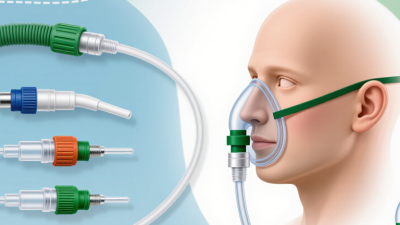
What Is an Infant Feeding Tube and How Does It Work? This question often appears when a baby cannot safely receive enough milk by mouth. An Infant Feeding Tube is a soft, narrow medical tube that delivers breast milk, formula, or prescribed nutrition directly to the stomach or small intestine. It may enter through the nose, mouth, or abdominal wall. The chosen route depends on the infant’s condition, expected treatment length, and ability to swallow safely.
Pediatric gastroenterologist Dr. Peter B. Sullivan has emphasized that “feeding should be individualized to the child’s medical and developmental needs.” That principle matters. A tube is not simply a faster bottle. It is part of a monitored care plan. Clinicians assess breathing, swallowing, digestion, growth, hydration, and family circumstances before recommending one. During feeding, caregivers may use a syringe, gravity system, or pump. The method controls how quickly nutrition enters the body, while careful positioning can reduce discomfort and aspiration risk.
The process can feel intimidating. It is.
Parents may notice tape on a tiny cheek, measured milk volumes, and alarms from a feeding pump. These details make the procedure visible, but they do not explain every risk. Placement must be confirmed according to professional guidance, and tubes require regular inspection. Redness, swelling, vomiting, coughing, breathing changes, or unusual distress should receive prompt medical attention.
This overview offers a practical starting point, not a personal treatment plan. Some explanations may seem simple because real clinical decisions are not. A qualified pediatric team should teach insertion, feeding, cleaning, and emergency steps before home use.
Read more »
 By:Elowen
- October 19, 2026
 By:Alistair
- October 14, 2026

 By:Seraphina
- October 9, 2026