Sales: +91 9099 928 652 [email protected] Mon – Sat : 10:00 AM – 07:00 PM (IST)
0%

Choosing a reliable Haemodialysis Blood Tubing Set supplier requires more than comparing prices or catalogue photographs. These sets carry blood between the patient, dialyzer, and dialysis machine, so small design details can affect workflow and safety. Clear tubing, secure connectors, smooth internal surfaces, and consistent packaging matter during every treatment. A dependable supplier should also provide traceable manufacturing information, quality certifications, sterilization details, and responsive technical support.

This guide reviews ten notable Haemodialysis Blood Tubing Set suppliers through practical and professional criteria. The comparison considers product compatibility, material quality, connection reliability, customization options, supply continuity, and documented quality systems. It also considers the experience of dialysis providers who handle priming, connection, monitoring, and disposal every day. Product claims should always be checked against current regulatory documents and facility requirements. Regional approvals can differ.

No ranking is flawless. Supplier performance may vary by country, production batch, contract terms, and service response. That deserves attention. A lower unit price may become expensive when delivery delays or fitting problems interrupt treatment schedules. Buyers should request samples, inspect packaging, confirm machine compatibility, and review post-market support before committing. Real-world testing remains valuable, even when technical documents appear complete. This overview aims to support careful sourcing decisions, not replace clinical judgment, procurement procedures, or professional verification.
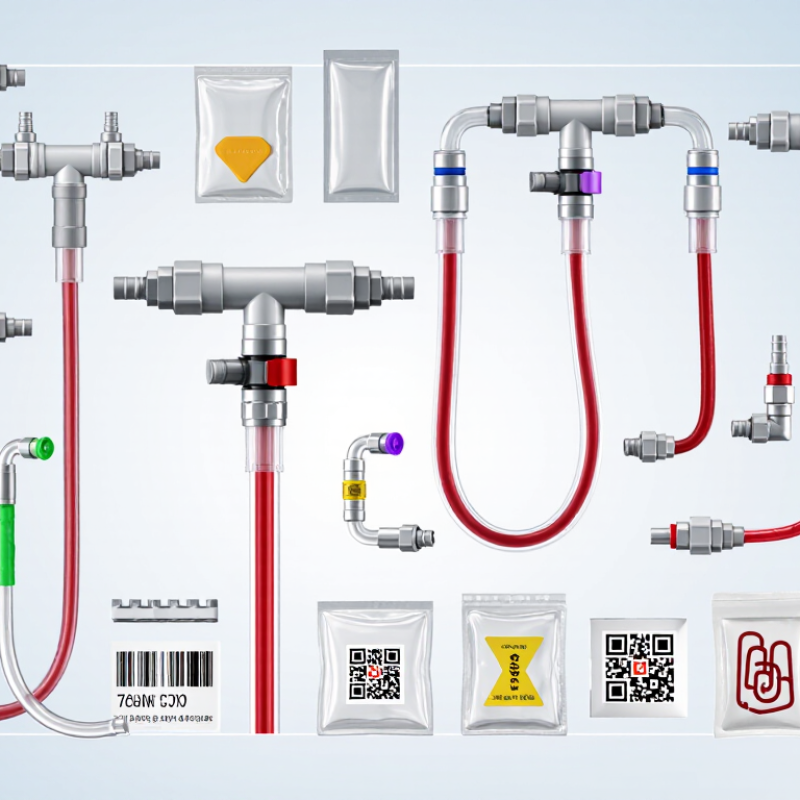
Top 10 Haemodialysis Blood Tubing Set Suppliers?

What Are Haemodialysis Blood Tubing Sets?

Haemodialysis blood tubing sets are sterile, single-use pathways that move blood between a patient, the dialyzer, and the dialysis machine. The set normally includes an arterial line, a venous line, drip chambers, clamps, injection ports, and pressure-monitoring connections. These parts work together during extracorporeal treatment.

The arterial line carries blood from the vascular access to the dialyzer. The venous line returns filtered blood to the patient. Drip chambers help separate air from blood, while transducer protectors support pressure monitoring without exposing the machine to fluids. Small design details matter. Tubing length, internal diameter, connector shape, and chamber visibility can affect handling and workflow.

Before treatment, trained staff usually check packaging integrity, expiration information, connector security, and tubing compatibility. They prime the circuit according to the machine and facility procedure. Air detection, leak checks, and correct clamp positions also deserve careful attention. A loose connection may create serious risk.

In practical settings, staff often value clear markings and flexible tubing. These features can reduce confusion during setup. However, convenience should not replace clinical verification. I have noticed that routine tasks sometimes encourage rushed checks. That is an area worth reconsidering. Selection should follow the dialysis system’s instructions, patient needs, infection-control procedures, and applicable medical-device requirements.

How to Evaluate Haemodialysis Blood Tubing Set Suppliers

Choosing among the top 10 haemodialysis blood tubing set suppliers requires more than comparing prices. Start with clinical fit. Ask whether the tubing matches the dialysis machine, prescribed flow rates, priming method, and connection requirements. Review material composition, wall strength, kink resistance, and connector security. A set may look flexible but collapse near the pump. That detail matters. Request samples, not only catalog images. Inspect seals, clamps, labels, and package integrity under normal handling.

Reliable suppliers provide controlled manufacturing records, batch traceability, sterilization evidence, and clear shelf-life data. Check their quality system and applicable medical device certifications. Do not accept certificates without verifying scope and current validity. Ask how they investigate complaints, manage design changes, and control outsourced components. Technical files should explain leakage tests, tensile testing, particulate control, and biocompatibility evaluation. These records reveal professional discipline better than polished sales language. Still, documentation can be incomplete.

Evaluate delivery performance through recent purchase data, not promises. Examine lead times, minimum order quantities, reserve stock, and responses during urgent shortages. Speak with dialysis nurses and biomedical engineers who have handled the sets. Their comments may expose connector stiffness or confusing clamps. Cost deserves attention, but low unit pricing can hide waste, rejected sets, or staff training time. A small pilot order can test consistency across several lots. Record every finding, including minor defects and unanswered questions. Some suppliers will not fit every facility. That is normal. The better choice matches your clinical workflow and risk controls.

Top 10 Haemodialysis Blood Tubing Set Suppliers

Top 10 Haemodialysis Blood Tubing Set Suppliers

The top ten haemodialysis blood tubing set suppliers should be assessed through evidence, not advertising. Reliable suppliers provide consistent arterial and venous lines, secure connectors, smooth clamps, and clearly marked access points. Their sets should support safe blood flow, accurate pressure monitoring, and efficient priming during treatment. Manufacturing controls, sterility assurance, traceability, and applicable medical-device standards also matter.

Experienced dialysis teams often examine more than product appearance. They review tubing flexibility, kink resistance, connector stability, and compatibility with existing dialysis machines. Packaging should remain intact after transport and storage. Suppliers with responsive technical support can help resolve fit, leakage, or delivery issues. However, no ranking is perfect. A supplier may perform well in one region but offer weaker training or logistics elsewhere. Independent clinical feedback remains valuable.

Tips: Request samples before large purchases. Check priming volume and pressure ratings. Confirm sterile packaging and shelf life. Ask for batch traceability and quality documents. Record staff feedback after several treatments. Small connector problems can become serious workflow delays. Evaluate total service, not only unit price.

Top 10 Haemodialysis Blood Tubing Set Suppliers

Rank Anonymous Supplier Profile Product Scope Typical Tubing Configuration Sterilization Options Key Compliance Evidence Customization Capability Quality-Control Focus Recommended Buyer Use
1 Profile A — Integrated Medical-Device Manufacturer Arterial and venous blood tubing sets, accessory lines, transducer protectors PVC or DEHP-free multilayer tubing; standard luer and spike connections Ethylene oxide or gamma irradiation, subject to product validation ISO 13485 quality system; ISO 10993 biological evaluation; applicable regional device registration High — tubing length, clamps, connectors, chamber design and labeling Leak testing, visual inspection, connector integrity and sterile-barrier testing Large dialysis networks and private-label programs
2 Profile B — High-Volume Disposable-Set Producer Routine haemodialysis arterial and venous circuits Pre-assembled tubing with drip chambers, injection sites and clamps Ethylene oxide is commonly used for heat-sensitive polymer assemblies ISO 13485; documented sterilization validation; ISO 10993 test program Medium to high — established configurations with selected options Dimensional control, particulate control and package seal inspection Standardized procurement and recurring high-volume orders
3 Profile C — OEM and Private-Label Specialist OEM bloodline sets, custom packaging and private-label assemblies Customer-defined tubing diameter, length, port location and connector format Ethylene oxide or customer-specified validated method Design history file, risk management and traceability documentation Very high — suitable for design-transfer and labeling projects First-article inspection, process validation and change control Distributors requiring own-brand medical consumables
4 Profile D — DEHP-Free Material Specialist Blood tubing sets using alternative plasticizer or non-PVC materials DEHP-free PVC, thermoplastic elastomer or other validated polymer options Ethylene oxide or irradiation, depending on material compatibility Material composition records, extractables assessment and ISO 10993 evidence Medium — material and connector choices generally available Plasticizer verification, tensile strength and kink-resistance testing Hospitals with specific phthalate-reduction requirements
5 Profile E — Regional Dialysis-Consumables Supplier Bloodlines, fistula needles, caps, clamps and related accessories Compatible with commonly used haemodialysis machines and standard connectors Sterilization method varies by product and market authorization Regional registration, batch release records and supplier qualification files Low to medium — mainly catalog configurations Batch traceability, packaging inspection and incoming-material checks Regional hospitals and dialysis-center purchasing groups
6 Profile F — Small-Batch Custom Assembly Provider Prototype and low-volume blood tubing assemblies Flexible layouts with selected chambers, ports, clamps and protective caps Validated ethylene oxide processing is commonly preferred for assembled sets Process qualification, component traceability and risk-management documentation Very high — optimized for design iteration Assembly records, line clearance, leak testing and visual inspection Clinical engineering projects and early-stage device development
7 Profile G — Export-Focused Contract Manufacturer Dialysis bloodlines for multiple international regulatory markets Standard and customized arterial/venous lines with multilingual packaging options Ethylene oxide or gamma irradiation with documented dose or cycle controls ISO 13485, technical documentation and market-specific conformity evidence High — packaging, labeling and documentation support Sterility assurance, bioburden monitoring and export-batch release Importers and distributors serving several countries
8 Profile H — Sustainable-Packaging-Oriented Supplier Blood tubing sets with optimized packaging and material-use programs Conventional sterile tubing configurations with reduced secondary packaging options Method selected according to polymer and packaging validation Packaging validation, material specifications and environmental documentation Medium — packaging customization is usually stronger than product redesign Package integrity, transport simulation and material consistency Healthcare systems with packaging-reduction objectives
9 Profile I — Integrated Bloodline and Accessory Supplier Blood tubing sets plus clamps, connectors, caps and line accessories Modular assemblies designed to simplify inventory and ordering Ethylene oxide or irradiation according to validated product configuration Component traceability, compatibility testing and quality-system certification Medium to high — accessory and packaging configurations Connector fit, closure performance, leakage and particulate inspection Buyers seeking consolidated consumables sourcing
10 Profile J — Value-Focused Standard-Set Manufacturer Standard haemodialysis arterial and venous blood tubing sets Common tubing diameters, chambers, injection sites and luer-compatible connections Validated sterilization method stated in the product technical file Quality-system certification, product specifications and batch documentation Limited — primarily catalog products Visual inspection, dimensional checks, leak testing and packaging control Cost-sensitive standard-product purchasing programs

Note: Supplier identities are intentionally anonymized. Final supplier selection should be based on current regulatory certificates, product-specific technical files, sterilization validation, biocompatibility evidence, quality agreements and sample evaluation.

Key Differences in Products, Standards, and Service

Top 10 Haemodialysis Blood Tubing Set Suppliers: Key Differences in Products, Standards, and Service

The best supplier is not always the cheapest. Product fit matters. Blood tubing sets differ in pump-segment design, priming volume, connector geometry, and clamp placement. Some sets reduce setup time. Others offer clearer pressure monitoring lines and stronger kink resistance. These small details become important during a busy dialysis shift. The USRDS 2023 Annual Data Report recorded more than 786,000 people living with end-stage kidney disease in the United States in 2021. Demand therefore requires dependable, repeatable supply.

Standards separate serious suppliers from ordinary distributors. Buyers should check ISO 8637-1 alignment for extracorporeal blood circuits, ISO 10993 biocompatibility evidence, and ISO 13485 quality-system certification. Regulatory documentation should match the destination market. It should also cover sterilization validation, endotoxin limits, packaging integrity, and shelf-life testing. Not every certificate proves equal product performance. That needs careful review. The Global Kidney Health Atlas 2023 also highlights continuing gaps in dialysis access worldwide, making reliable logistics especially valuable.

Service differences can be practical. Compare technical response times, batch traceability, complaint handling, and continuity plans for resin or component shortages. Ask for samples using the actual dialysis machine and treatment protocol. A tubing set may look suitable but perform differently under pump pressure. This is where procurement teams sometimes move too quickly. Lower price can hide higher setup time, wastage, or training needs. The strongest shortlist combines verified standards, clinical feedback, stable delivery, and honest post-market support.

How to Choose the Right Supplier for Your Facility

Choosing among the top ten haemodialysis blood tubing set suppliers requires more than comparing unit prices. The ISN Global Kidney Health Atlas 2023 estimated that about 3.9 million people received kidney replacement therapy worldwide in 2019. This scale makes supply continuity a clinical concern. Ask each supplier for capacity data, backup production plans, and realistic lead times.

A facility should verify ISO 13485 certification, device registration, lot traceability, and documented biocompatibility testing. Request evidence for sterility, endotoxin limits, connector security, pressure tolerance, and clamp performance. These details matter beside a dialysis machine. The USRDS 2023 Annual Data Report recorded more than 800,000 people living with end-stage kidney disease in the United States during 2021. Even a small tubing defect can create costly treatment disruption.

Do not trust a polished sample alone. Test several lots through simulated handling, priming, transport, and storage conditions. Review complaint rates and corrective-action records with the supplier’s quality team. A low price can hide freight risk, training costs, or excessive minimum orders. No scorecard is perfect. Weigh clinical evidence more heavily than sales promises, although evidence may be incomplete. Confirm local regulatory requirements before approval, because documentation accepted in one market may fail elsewhere. A supplier should also provide responsive technical support, clear change-notification procedures, and replacement stock when packaging or components change.

FAQS

What should a facility check before selecting a blood tubing set supplier?

Confirm machine compatibility, prescribed flow rates, priming method, and connection requirements. Request physical samples. Catalog images are not enough.

Which product details can affect dialysis setup?

Review pump-segment design, priming volume, connector shape, clamp placement, and kink resistance. A flexible tube may collapse near the pump.

What quality documents should suppliers provide?

Request manufacturing records, batch traceability, sterilization evidence, shelf-life data, and packaging integrity results. Documentation may still be incomplete.

Which standards are useful during supplier evaluation?

Check alignment with ISO 8637-1, biocompatibility evidence under ISO 10993, and ISO 13485 certification. Verify each certificate’s scope and validity.

How can a facility test tubing performance?

Use several lots with the actual dialysis machine and treatment protocol. Simulate priming, handling, transport, storage, and pump pressure.

Why should staff feedback influence the supplier decision?

Nurses and biomedical engineers may notice stiff connectors, unclear clamps, or difficult setup steps. Their feedback reveals practical problems.

How should delivery reliability be evaluated?

Review recent lead times, minimum order quantities, reserve stock, and shortage responses. Ask for backup production plans. Promises are not evidence.

Is the lowest unit price usually the best option?

Not always. Low pricing may hide wasted sets, rejected units, training time, freight risks, or excessive minimum orders.

What support should a reliable supplier provide after approval?

Expect complaint handling, corrective-action records, change notifications, technical response, and replacement stock. No supplier fits every facility perfectly.

How can procurement teams make a balanced final decision?

Use a scorecard covering clinical fit, quality records, delivery, cost, and service. Give clinical evidence more weight than polished sales language.

Conclusion

Haemodialysis Blood Tubing Set is a vital disposable component that connects the patient, dialysis machine, dialyzer, and fluid pathways during treatment. A well-designed set supports stable blood circulation, accurate monitoring, secure connections, and efficient fluid management. When evaluating suppliers, facilities should consider product consistency, material quality, compatibility with existing dialysis equipment, sterilization methods, packaging, traceability, and reliable delivery capacity. Clear technical documentation and responsive customer support are also important factors.

The top suppliers in this field may differ in product configurations, customization options, quality systems, regulatory compliance, production capabilities, and after-sales service. Some may focus on standard sets, while others provide solutions for specific machine models or facility requirements. To choose the right supplier, healthcare facilities should compare performance, safety controls, supply stability, total cost, and service support rather than relying on price alone. A thorough evaluation process can help ensure dependable treatment workflows and long-term cooperation.


Alistair

Alistair

Alistair is a highly experienced marketing professional with a deep understanding of the company’s products, customers, and evolving market needs. Through years of hands-on experience, he has developed strong expertise in product positioning, content strategy, customer communication, and digital......